





Yellow gold jewellery has long been associated with beauty, status and enduring value, prized not only for its distinctive warmth but for what it represents. Long before it became a marker of luxury, gold was admired for its rarity and permanence, a material that resisted time in a way few others could. This quality gave gold a deeper significance, elevating it beyond adornment and into something symbolic, meaningful and enduring.
Its story stretches back thousands of years, shaped by civilisations that viewed gold as more than a precious metal. To them, it carried spiritual weight, cultural importance and emotional resonance. Gold was worn to mark power, devotion and identity, and often reserved for moments that mattered most, from ceremony and celebration to remembrance and legacy.
The origins of yellow gold jewellery
The earliest use of gold jewellery can be traced to ancient civilisations, where its warm glow and resistance to decay gave it an almost mystical quality. In ancient Egypt, gold was believed to be the flesh of the gods, closely linked to the sun and the promise of eternal life. As early as 2600 BCE, skilled artisans were crafting intricate necklaces, amulets and ceremonial pieces, often decorated with sacred motifs such as scarabs and lotus flowers.
These designs were rich in meaning and intended to be worn both in life and in the afterlife.
Other early cultures shared this reverence for gold. In Mesopotamia and the Indus Valley, gold jewellery played an important role in marking status and authority. Elaborate earrings, headpieces, and necklaces discovered in royal tombs reveal a high level of craftsmanship and a belief that gold carried power beyond the physical world.
Yellow gold jewellery through classical and medieval history
As Greek and Roman societies developed, yellow gold jewellery became increasingly personal. Jewellery was no longer reserved solely for ritual or royalty, but worn as a reflection of identity and taste. Artisans refined techniques that allowed for greater detail and lighter forms, drawing inspiration from the natural world and mythological stories.
Gold jewellery during this period was often characterised by:
- Decorative motifs inspired by gods, animals and foliage
- Advanced techniques that enhanced texture and detail
- A growing emphasis on elegance and wearability
During the Middle Ages, the meaning of gold jewellery shifted once again. Much of the finest work was commissioned by the Church or the nobility, with religious symbolism at the forefront of design.

Modern jewellery and contemporary design
The Industrial Revolution transformed the way jewellery was made and worn. Advances in production made gold jewellery more accessible, while the Victorian era introduced a deeply personal approach to design. Lockets, engraved messages and symbolic gemstones were used to express love, memory and emotion, bringing gold jewellery closer to everyday life.
By the late nineteenth and early twentieth centuries, new artistic movements reshaped jewellery design once again. Art Nouveau embraced flowing lines and organic forms, while Art Deco introduced bold geometry and contrast. Yellow gold adapted effortlessly, proving its versatility across shifting styles and cultural moods.
In more recent decades, yellow gold jewellery has continued to evolve, shaped by changing attitudes and values, including:
- The bold, sculptural designs that emerged in the 1970s
- A renewed appreciation for heritage craftsmanship
- Increased emphasis on ethical sourcing and sustainability
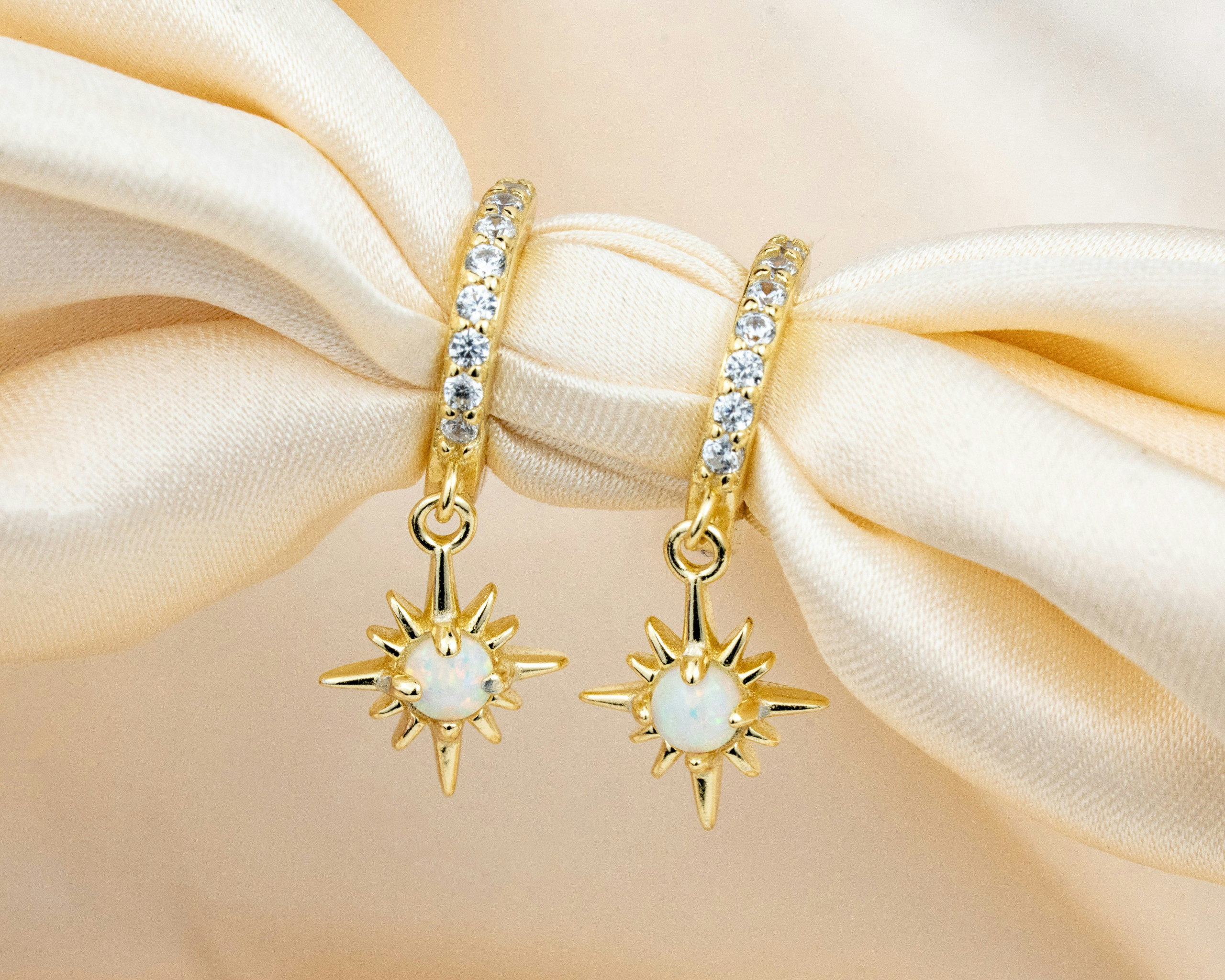
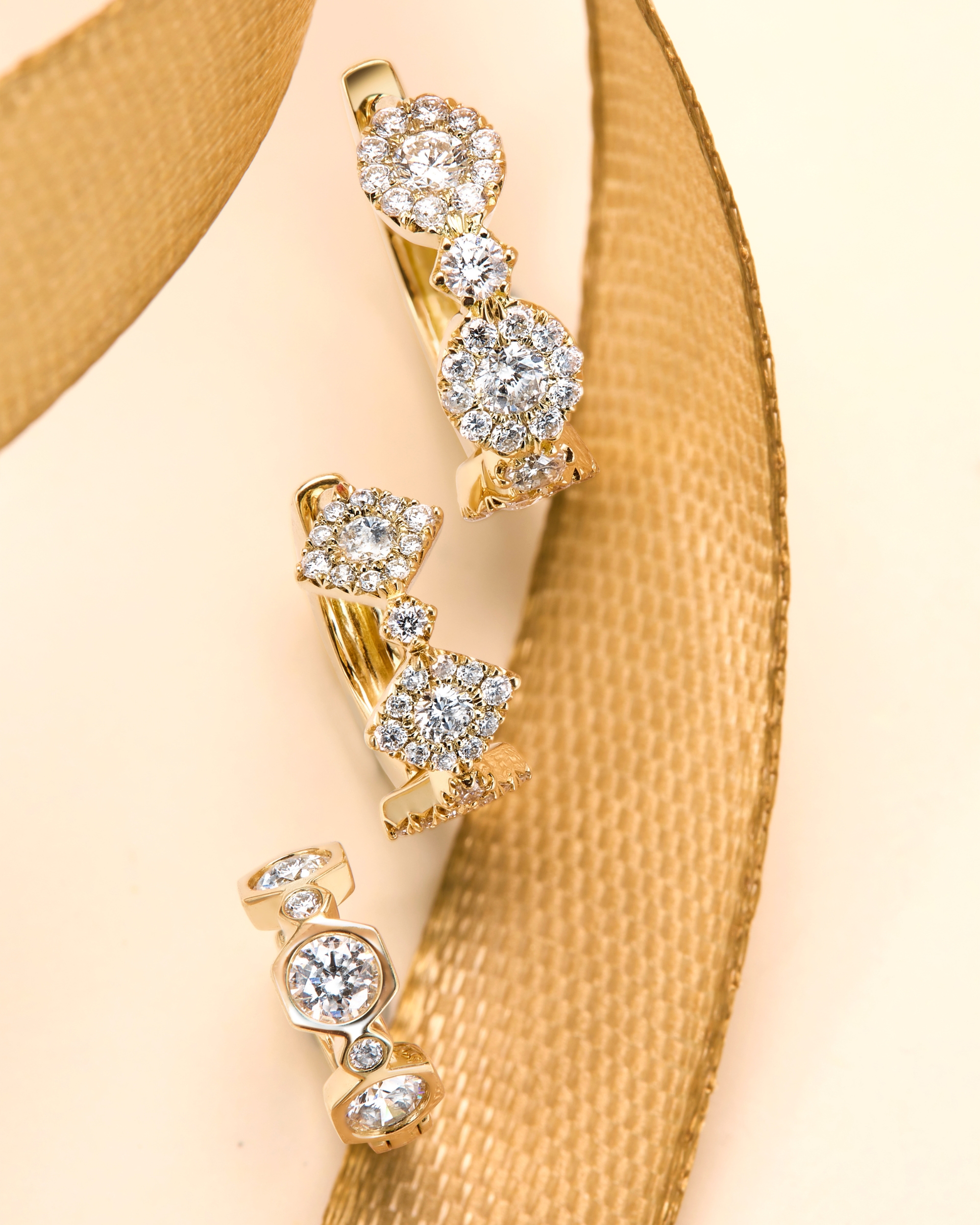
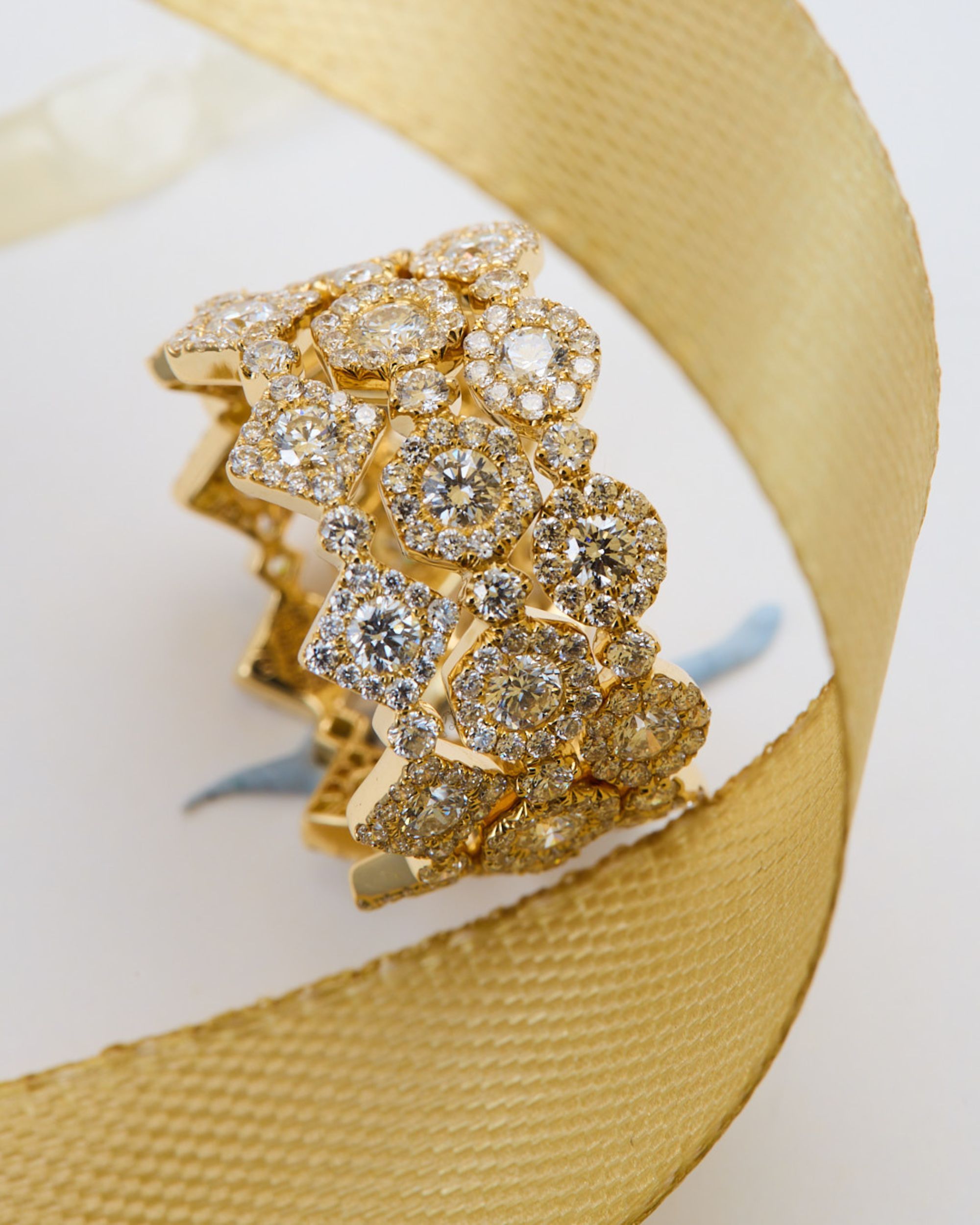
Today, yellow gold jewellery remains a defining element of fine jewellery. Designers balance tradition with innovation, creating pieces that feel relevant while respecting centuries of craftsmanship. Its enduring appeal lies in its ability to carry meaning, memory and beauty across generations, ensuring its place well into the future and offering a solid gifting option for valentines day, birthdays and anniversaries.
The future of yellow gold jewellery
The story of yellow gold jewellery is still being written. While its origins lie in ancient civilisations, its future continues to be shaped by modern values, evolving craftsmanship and contemporary design. Gold remains a source of inspiration, inviting designers to reinterpret tradition in ways that feel relevant without losing their connection to the past. In today’s jewellery landscape, yellow gold offers a sense of permanence in an ever-changing world. It encourages a more thoughtful approach to adornment, where pieces are chosen for their longevity rather than passing trends. This shift has renewed appreciation for craftsmanship, quality and materials that stand the test of time.
As design techniques advance and creative boundaries expand, yellow gold jewellery continues to evolve naturally. Rooted in heritage yet open to innovation, it remains a defining element of fine jewellery, carrying its story forward with quiet confidence and enduring appeal.

YELLOW GOLD JEWELLERY
Explore David Morris yellow gold jewellery to see how traditional
craftsmanship and contemporary design come together in considered pieces, created to be worn with ease
lived in over time and valued for their enduring quality and detail
Discover collection